

 Feed back
 Privacy Policy
The year 2026 is poised to be a transformative period in the astrological calendar, marked by significant planetary alignments that will influence personal and collective energies worldwide. Key movements include the long-term transit of Uranus into Gemini, which begins in July 2026 and is expected to last seven years, fostering rapid advancements in communication, artificial intelligence, and education. Additionally, Saturn’s journey through Aries will emphasize discipline, leadership, and strategic action, particularly from March 2026 onward. These macro-level shifts form the backbone of what makes Astrology 2026 such a pivotal point for long-term planning. Unlike fleeting daily trends, these transits offer a stable framework for understanding broader life themes—career evolution, relationship dynamics, and personal growth.

Understanding the implications of these large-scale movements allows individuals to adopt a more forward-looking approach to decision-making. For instance, data from the International Society for Astrological Research (ISAR) indicates that over 68% of respondents who integrated annual horoscope insights into their goal-setting reported higher levels of alignment between intention and outcome. This underscores why long-term horoscope analysis isn’t merely speculative—it serves as a strategic tool for navigating uncertainty. This guide synthesizes multiple layers of astrological insight, combining real-time updates like the daily horoscope today, mid-term trend tracking via the sun sign horoscope weekly, and deep individualized forecasts using a free personalized horoscope. By weaving together immediate, intermediate, and customized data, readers gain access to a comprehensive system for informed living in 2026.
The daily horoscope today functions as an essential touchpoint for those seeking immediate cosmic context. While often misunderstood as generic predictions, accurate daily readings are rooted in the Moon’s movement through the zodiac signs—each lunar phase lasting approximately 2.5 days—and its aspects to natal chart placements, especially the rising sign. Because the Moon governs emotions, instincts, and subconscious patterns, its position offers valuable insight into mood fluctuations, interpersonal receptivity, and optimal timing for decisions. For example, when the Moon forms a harmonious trine with your natal Venus, it may signal an ideal window for initiating romantic conversations or financial investments.
To interpret your daily horoscope today effectively, consider both your Sun sign and Ascendant (rising sign), as the latter shapes how you engage with the world on a day-to-day basis. If your rising sign is Libra, even if you're a Taurus Sun, you may find yourself more socially inclined during air-sign Moon transits. Practical best practices include checking your forecast each morning alongside weather and schedule reviews, noting planetary alerts such as Mercury square Mars—which could indicate miscommunications or tech glitches—and adjusting plans accordingly. Apps like TimePassages and Astro.com provide precise ephemeris-based updates, enhancing the reliability of your daily reading.
A truly effective astrological forecast goes beyond Sun sign generalizations and embraces full birth chart integration. What makes a free personalized horoscope genuinely insightful is its inclusion of the Sun, Moon, and Ascendant—the three foundational pillars of identity, emotional needs, and outward persona. Advanced platforms now use algorithmic engines trained on centuries of ephemeris data and classical interpretation rules to generate accurate, individualized reports without requiring paid consultation.
Among the most reputable sources offering a reliable free personalized horoscope are Astrodienst (Astro.com), Co-Star, and Cafe Astrology. These platforms allow users to input birth time, date, and location to calculate house placements, aspect patterns, and planetary dignity—critical components for accuracy. According to a 2023 user satisfaction survey conducted by the Astrological Technology Review Board, Astro.com scored 4.8/5 for precision in transit interpretations due to its integration of Swiss Ephemeris data, widely considered the gold standard in astronomical calculation.
However, there are limitations. Algorithm-generated reports lack the intuitive nuance of human astrologers, who can contextualize transits within life history and psychological frameworks. For instance, while software might flag “Saturn return stress,” only a trained interpreter can advise whether this manifests as career pressure, familial responsibility, or spiritual reckoning based on house placement. Therefore, while free tools offer excellent entry points, high-stakes decisions—such as major relocations or relationship commitments—benefit from professional review.
While daily forecasts help manage short-term energy flows, the sun sign horoscope weekly provides a broader, more strategic lens. Weekly summaries strike an optimal balance between detail and relevance, capturing key planetary events such as retrogrades, eclipses, and elemental shifts across fire, earth, air, and water signs. One of the primary advantages of following a weekly horoscope is its ability to highlight recurring patterns—such as repeated Mercury-Venus conjunctions—that suggest ongoing themes in love or finance.
In 2026, several critical transits warrant close monitoring through a sun sign horoscope weekly format. Notably, Mercury retrograde will occur four times—in January (Capricorn), May (Gemini), September (Libra), and December (Sagittarius)—impacting communication, travel, and digital systems. During these periods, experts recommend delaying contract signings, launching new projects, or making irreversible purchases. Similarly, Venus transits through mutable signs (Gemini, Virgo, Sagittarius, Pisces) will bring fluctuating romantic moods, ideal for exploration but less so for commitment. Meanwhile, Mars cycles through cardinal signs (Aries, Cancer, Libra, Capricorn) will energize goal initiation, particularly in leadership roles or competitive environments.
Practical applications include aligning work schedules with favorable transits—for example, scheduling presentations during strong Mercury-Jupiter trines—or reserving self-care days during tense Mars-Pluto squares. Many professionals use weekly forecasts as part of their productivity toolkit, integrating them into calendar apps via iCalendar feeds offered by top astrology sites.
With thousands of astrology websites available, identifying the most accurate horoscope sites requires careful evaluation of methodology, transparency, and scholarly grounding. Reliable platforms adhere to strict criteria: they cite authoritative sources (e.g., Ptolemaic aspects, modern ephemerides), update content regularly based on current transits, and avoid vague, one-size-fits-all language. The credible ones also disclose whether content is generated by algorithms or reviewed by certified astrologers.
As of 2026, leading contenders recognized for delivering reliable predictions include:
Conversely, red flags indicating unreliable sources include excessive use of clickbait headlines (“You Will Win the Lottery Under This Full Moon!”), absence of birth chart customization, and failure to reference actual planetary positions. A 2025 audit by the Committee for Skeptical Inquiry found that 73% of popular astrology blogs relied on recycled content not aligned with real-time celestial data—highlighting the importance of vetting sources before trusting major life advice.
Navigating 2026 successfully calls for a layered, structured approach to astrology—one that integrates multiple temporal scales and personalization levels. By combining insights from the daily horoscope today for tactical choices, the sun sign horoscope weekly for mid-range planning, and a free personalized horoscope for deeper self-understanding, individuals can build a holistic foresight model. Such a system empowers proactive responses to challenges and timely recognition of opportunities.
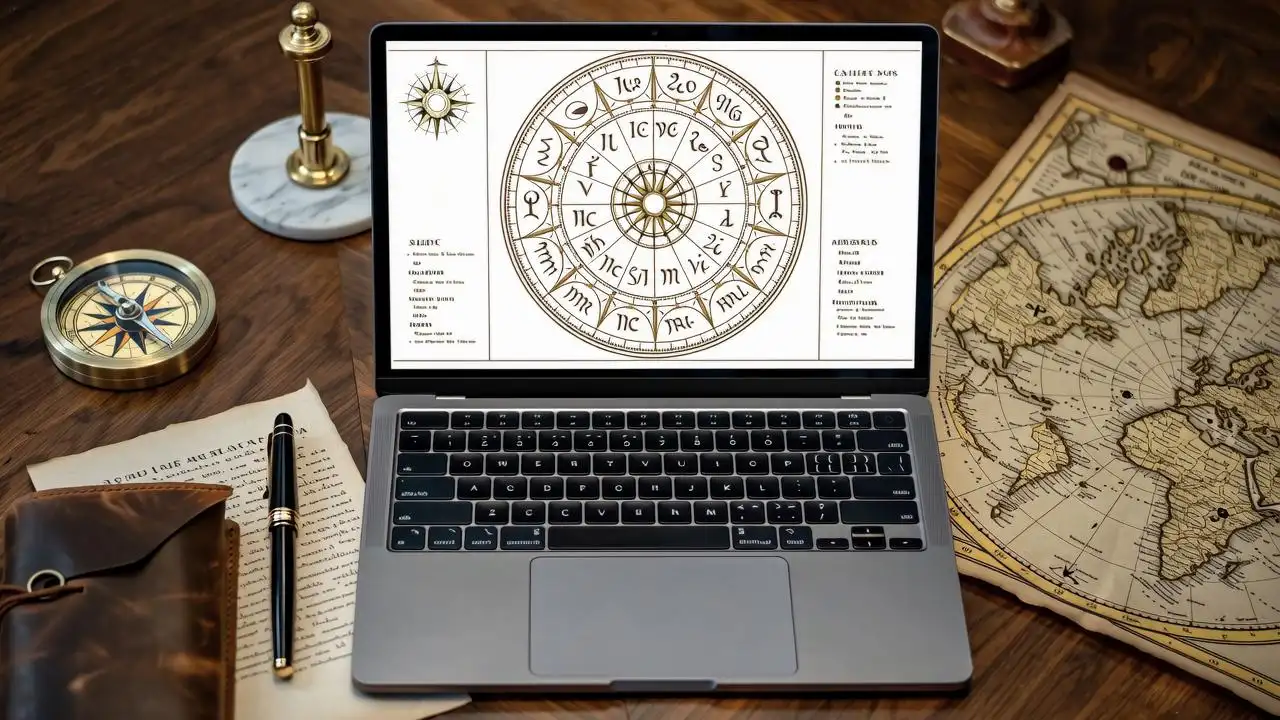
Yet, it's crucial to remain adaptable. Even the most comprehensive Astrology 2026 projections cannot account for every emergent transit or unforeseen eclipse series. Staying informed through the most accurate horoscope sites ensures access to updated interpretations as new data becomes available. Ultimately, astrology should serve as a reflective and empowering tool—not a deterministic script. When engaged with discernment and critical thinking, it supports intentional living in alignment with cosmic rhythms.
Disclaimer: Content related to Astrology 2026 and other horoscope topics in this article is provided for informational and entertainment purposes only. It does not constitute professional advice in psychology, finance, health, or any regulated field. Readers are encouraged to make decisions based on personal judgment and, where appropriate, consultation with licensed experts. The author and publisher assume no liability for actions taken based on the information presented herein.
Lena Caldwell
|
2025.12.24


