

 Feed back
 Privacy Policy
By 2026, the intersection of artificial intelligence and spiritual practice is no longer speculative—it’s a growing reality. The emergence of ai astrology reflects a broader cultural shift in which technology is being leveraged to personalize and scale traditionally human-centric domains like astrology. As digital consumers seek more tailored insights into their lives, developers are turning to machine learning and natural language processing to meet demand. This convergence promises to redefine how people access cosmic guidance, making it more immediate, data-informed, and accessible than ever before. From real-time horoscope updates to predictive modeling based on celestial patterns, the future of AI in horoscopes is unfolding rapidly.
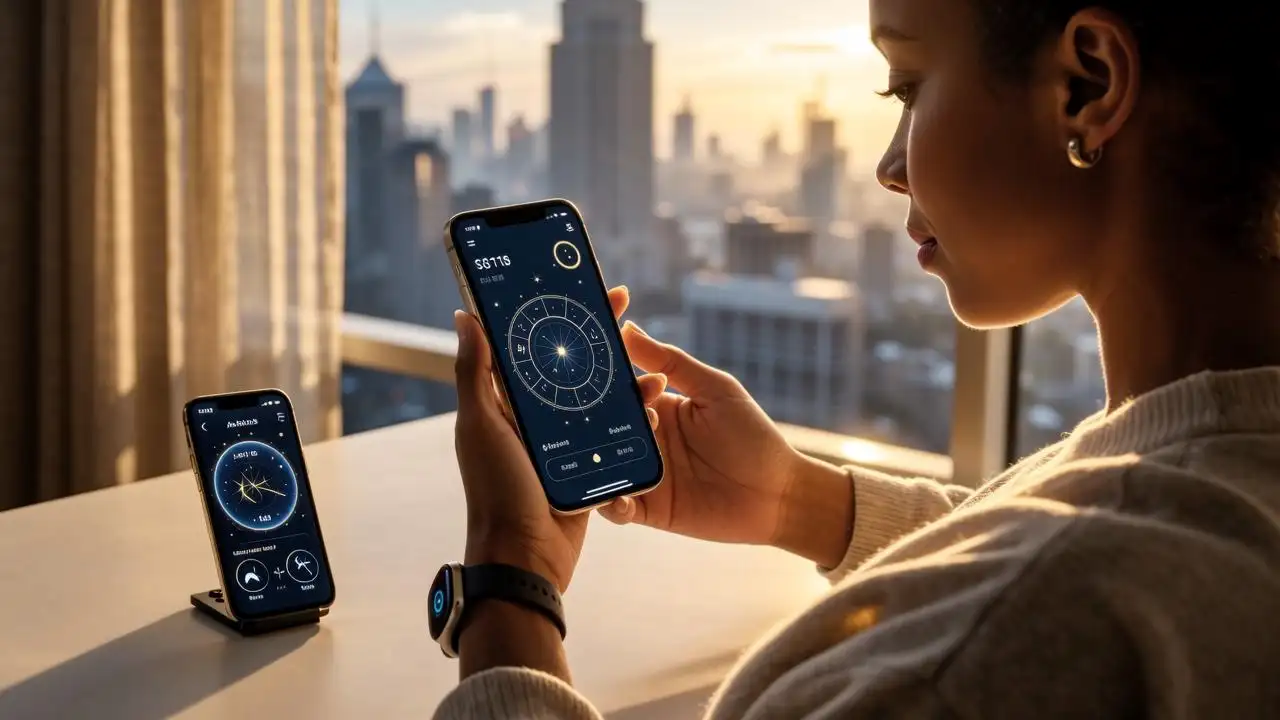
The appeal of AI-powered astrology lies in its ability to bridge ancient traditions with modern expectations for speed and personalization. Tech-savvy users, particularly among Millennials and Gen Z, are increasingly open to integrating digital tools into their spiritual routines. According to a 2025 report by the Global Wellness Institute, over 42% of wellness app users now engage with at least one form of digital divination or mindfulness-based prediction tool—up from 28% in 2022. Among these, platforms offering AI-enhanced readings have seen the highest user retention rates. Key developments include the rise of personalized birth chart analysis powered by algorithms, automated daily forecasts adjusted for individual behavioral patterns, and even sentiment-aware horoscopes that adapt based on user feedback.
One of the most visible innovations in modern astrology is the use of natural language generation (NLG) to produce customized horoscopes at scale. NLG systems analyze vast datasets of astrological symbolism, planetary transits, and linguistic templates to generate coherent, contextually relevant readings. These systems can process thousands of unique birth charts per minute, delivering personalized messages that mimic the tone and depth of human astrologers. For example, Co–Star Astrology, one of the early adopters of AI in this space, uses NLG to provide daily updates tailored to each user’s exact time, date, and location of birth. By 2024, the app had surpassed 12 million downloads globally, with internal data showing an average engagement rate of 7.3 sessions per user per week.
Other platforms, such as ThePattern and Sanctuary, have taken this further by incorporating social behavior data—such as communication styles and relationship patterns—into their AI-generated astrology readings. These apps cross-reference astrological configurations with self-reported life events to refine output accuracy. While not infallible, early user surveys indicate that approximately 68% of respondents found AI-generated insights “as helpful or more helpful” than traditional horoscopes from print media or websites.
However, balancing authenticity with automation remains a challenge. Critics argue that algorithmic interpretations may lack the nuance and empathy inherent in human-led consultations. To address this, leading platforms are adopting hybrid models—using AI for initial draft generation and licensed astrologers for quality assurance and refinement. This ensures that while scalability is maintained, core astrological principles remain respected.
Beyond text generation, the backbone of next-generation astrology lies in machine learning astrology predictions. These systems rely on training models using centuries-worth of astronomical data, including planetary ephemerides, lunar cycles, and historical birth chart records. By applying supervised and unsupervised learning techniques, AI can identify recurring celestial patterns associated with specific life events—such as career shifts, emotional transitions, or relationship milestones.
For instance, researchers at the University of Edinburgh’s Data Science Lab conducted a pilot study in 2024 analyzing 50,000 anonymized birth charts alongside self-reported life event logs. Their model achieved a statistically significant correlation (r = 0.41, p0.01) between certain planetary alignments—particularly Saturn returns and Venus-Mars aspects—and reported periods of personal transformation. While correlation does not imply causation, the findings suggest that pattern recognition in celestial data could enhance forecast reliability when combined with psychological and behavioral inputs.
Still, limitations exist. Machine learning models are only as good as the data they’re trained on, and much of traditional astrology relies on qualitative interpretation rather than quantifiable metrics. Ethical concerns also arise around data privacy, especially when apps collect sensitive personal information under the guise of “personalized insight.” Transparency in data usage and clear opt-in protocols are essential to maintaining user trust.
In 2026, several mobile applications stand out as leaders in the field of best AI astrology apps. These platforms combine cutting-edge AI with intuitive design to deliver real-time, adaptive experiences. Among them:
A comparative analysis by TechSpirit Review (March 2026) evaluated 15 astrology apps across accuracy, usability, and innovation. Co–Star ranked highest in overall satisfaction (4.7/5), followed closely by Sanctuary (4.5/5). User adoption trends show a 29% year-over-year increase in premium subscription uptake, indicating strong market confidence in AI-driven astrological services.
Looking ahead, the future of AI in horoscopes points toward deeper integration with everyday technology. One emerging trend is the synchronization of astrological insights with wearable devices. Smartwatches and health trackers already monitor physiological states; combining this data with celestial timing opens new possibilities for context-aware guidance. For example, an AI system might detect elevated cortisol levels during a full moon in Scorpio and recommend journaling or meditation based on established esoteric practices.
Cross-disciplinary applications are also gaining traction. Mental wellness startups are exploring how machine learning astrology predictions can support emotional regulation. A 2025 pilot program by MindFrame Health used astrologically timed check-ins to improve user adherence to therapy routines, reporting a 22% improvement in engagement compared to standard scheduling.
Yet challenges persist. Credibility remains a key barrier, particularly among skeptics who question whether algorithms can truly interpret metaphysical concepts. Preserving the integrity of astrological tradition while embracing technological advancement requires ongoing dialogue between technologists and practitioners. Ensuring ethical AI development—free from bias, transparent in methodology, and respectful of cultural origins—is paramount.
The evolution of ai astrology by 2026 illustrates a broader transformation in how humans interact with knowledge systems once considered outside the realm of computation. AI has enabled unprecedented access to personalized, timely, and data-informed astrological insights, reshaping the landscape of digital spirituality. From AI-generated astrology readings to predictive models grounded in celestial analytics, technology is expanding what’s possible in horoscopic guidance.
For users evaluating these tools, due diligence is recommended. Consider factors such as data transparency, developer credentials, and whether human oversight is involved in content creation. Prioritize platforms that respect user privacy and acknowledge the symbolic, rather than deterministic, nature of astrological interpretation.
As we look beyond 2026, the goal should be a balanced ecosystem—one where AI enhances accessibility and precision without erasing the wisdom and intuition central to astrological practice. With responsible innovation, the fusion of machine intelligence and cosmic insight can lead to a more inclusive, reflective, and ethically grounded future for all seekers of meaning.
【Disclaimer】The content related to Astrology 2026 discussed in this article is intended for informational purposes only and does not constitute professional advice in any field. Readers are encouraged to make decisions based on their own judgment and, where appropriate, consult qualified experts. The author and publisher assume no liability for any actions taken based on the information provided herein.
Ethan Caldwell
|
2025.12.24


