

 Feed back
 Privacy Policy
The year 2026 is poised to become a pivotal chapter in modern astrological history, marked by profound planetary movements and shifting cosmic energies. As global interest in astrology horoscope forecasts continues to rise—driven by a collective desire for clarity amid uncertainty—more individuals are turning to celestial guidance for personal insight and life direction. This growing reliance on astrological tools reflects a deeper cultural shift toward introspection and intentional living, particularly within English-speaking communities where astrology functions as both a spiritual compass and a framework for self-understanding.
In this context, Western astrology horoscope systems remain the most widely accessed method for interpreting celestial influences. Unlike other traditions, Western astrology emphasizes the tropical zodiac, which aligns with Earth’s seasonal cycles and offers a psychologically oriented lens through which to view human behavior and destiny. The foundational premise is that planetary positions at the time of one's birth create a unique energetic imprint—a concept that underpins everything from daily forecasts to long-term life planning.
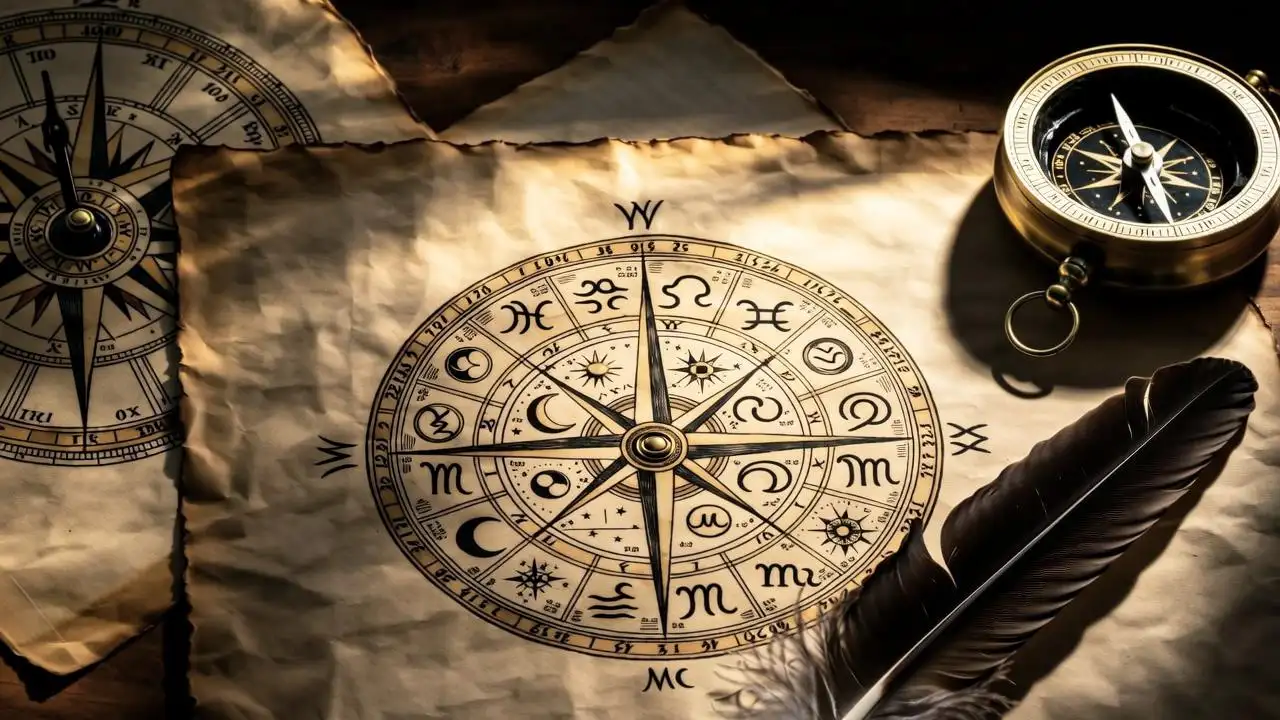
What makes 2026 especially significant is the convergence of several major planetary transits that will shape both individual experiences and broader societal trends. These include Saturn entering Gemini, Jupiter moving into Cancer, and Pluto continuing its transformative journey through Aquarius. Each of these movements introduces distinct themes related to communication, emotional security, innovation, and structural change. Understanding how these forces interact requires familiarity with core astrological tools such as natal charts, lunar cycle tracking, and relationship compatibility analysis—all of which provide actionable insights for navigating the year ahead.
The landscape of Western astrology horoscope in 2026 will be defined by three dominant planetary transitions: **Saturn in Gemini**, **Jupiter in Cancer**, and **Pluto in Aquarius**. Saturn, the planet of discipline and responsibility, begins its two-and-a-half-year transit through Gemini in June 2026, emphasizing structured thinking, clear communication, and intellectual accountability. This placement encourages individuals to refine their ideas, improve information-sharing practices, and take ownership of their words—both personally and professionally.
Jupiter, the planet of expansion and abundance, enters Cancer in May 2026, where it remains until mid-2027. This water sign placement amplifies emotional depth, familial bonds, and intuitive decision-making. For many, this period may bring opportunities for healing ancestral patterns, strengthening home life, or pursuing careers rooted in caregiving and emotional intelligence. From an economic standpoint, sectors such as real estate, mental health services, and sustainable agriculture could see notable growth during this time.
Meanwhile, Pluto continues its slow evolution through Aquarius, a transit that began in March 2023 and will persist intermittently until 2044. In 2026, Pluto’s influence intensifies calls for social restructuring, technological ethics, and collective liberation. Its presence challenges outdated power systems and promotes radical transparency, especially in digital spaces and institutional frameworks.
These planetary movements form key aspects—angular relationships between planets—that further define global energy. Notably, the **Saturn-Pluto square** (occurring when the two planets are 90 degrees apart) emerges multiple times in 2026 due to retrograde cycles, creating tension between control and transformation. Historically, Saturn-Pluto squares have coincided with major geopolitical shifts and systemic crises; in 2026, this aspect may manifest in debates over surveillance technology, data privacy laws, and educational reform.
Conversely, beneficial configurations like the **Jupiter-Neptune trine** enhance compassion, artistic expression, and spiritual exploration. Occurring in August 2026, this harmonious angle supports humanitarian initiatives and faith-based collaborations. On a personal level, individuals across all zodiac signs may find heightened inspiration for creative projects or volunteer work.
Collectively, these shifts influence career trajectories, relationship dynamics, and personal development. For instance, those with strong air signs in their charts (Gemini, Libra, Aquarius) may feel Saturn’s pressure to systematize knowledge, while water sign natives (Cancer, Scorpio, Pisces) are likely to resonate deeply with Jupiter’s nurturing vibrations. By monitoring these planetary movements 2026, individuals can anticipate challenges and leverage favorable conditions with greater foresight.
To fully benefit from any astrology horoscope forecast, it is essential to understand your personal foundation—the **natal chart**, also known as a birth chart. A natal chart is a snapshot of the sky at the exact moment and location of your birth, mapping the positions of the Sun, Moon, planets, and key angles. Interpreting this map allows you to uncover innate traits, potential challenges, and life-purpose indicators.
Central to any birth chart horoscope explained clearly are the "Big Three": the **Sun sign**, **Moon sign**, and **Rising sign (Ascendant)**. The Sun represents your core identity and ego—your fundamental way of being in the world. The Moon governs emotions, instincts, and subconscious needs, revealing how you process feelings and seek comfort. The Rising sign, determined by your birth time, shapes your outward personality and first impressions; it also dictates the layout of the entire chart.
Generating your natal chart is simple and free using reputable online platforms such as Astro.com or CafeAstrology.com. Input your date, time, and place of birth, and the tool generates a wheel divided into twelve houses, each representing different areas of life—from self-image and finances to relationships and spirituality.
For example, if your Sun is in Leo in the 10th house, leadership and public recognition may be central to your life path. If your Moon is in Capricorn in the 4th house, you might manage emotions through practicality and value stability in family life. When analyzing your chart in 2026, pay attention to how transiting planets interact with your natal placements. A transit of Jupiter over your natal Venus, for instance, could signal a financially rewarding or romantically fulfilling period.
Using your birth chart to navigate decisions in 2026 enables greater self-awareness. Whether choosing a new job, relocating, or entering a relationship, aligning actions with your cosmic blueprint increases the likelihood of long-term satisfaction and authenticity.
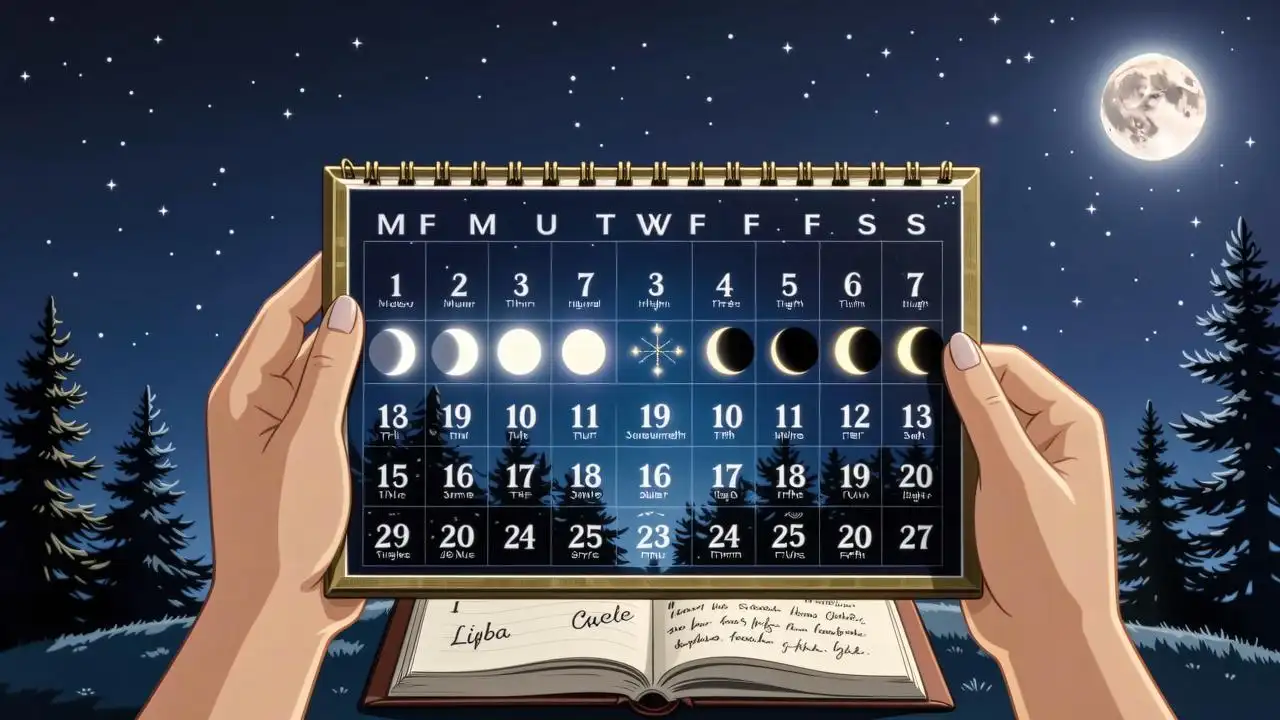
While planetary transits unfold over months or years, the **lunar cycles** offer immediate, tangible rhythms that affect mood, intuition, and emotional clarity. Tracking the daily moon phase horoscope provides a practical method for timing activities, managing energy, and enhancing mindfulness throughout 2026.
The Moon completes its orbit around Earth approximately every 29.5 days, passing through eight primary phases: New Moon, Waxing Crescent, First Quarter, Waxing Gibbous, Full Moon, Waning Gibbous, Last Quarter, and Balsamic. Each phase carries symbolic meaning and optimal uses. The **New Moon** is ideal for setting intentions and launching new ventures; the **Full Moon** illuminates culmination points, often bringing revelations or emotional peaks.
In 2026, several key lunar events stand out. There are 12 New Moons and 12 Full Moons, including four penumbral eclipses (on March 14, September 8, February 20, and August 13). Eclipses accelerate change and often mark turning points in personal narratives. For example, the **Total Lunar Eclipse in Libra** on October 28, 2026, may prompt relationship evaluations, urging balance and fairness in partnerships.
To make the most of the moon phases 2026, consider maintaining a lunar journal. Record your emotional state, dreams, and significant events each week to identify patterns linked to specific phases. You might notice increased creativity during waxing moons or deeper introspection during waning periods. Apps like TimePassages or The Mood Calendar integrate astronomical data with user logs, offering personalized insights based on your location and preferences.
Additionally, synchronizing important tasks with lunar energy enhances effectiveness. Begin marketing campaigns or negotiations during a Gemini Moon (favoring communication), schedule wellness routines under a Taurus Moon (ideal for relaxation), and avoid signing contracts during the volatile Scorpio Moon unless deep investigation is required.
As interpersonal connections evolve under 2026’s dynamic skies, many will seek tools to deepen understanding in both romantic and platonic relationships. The **compatibility horoscope calculator** has emerged as a valuable resource for comparing two individuals’ birth charts and assessing relational dynamics.
Professional astrologers use two main techniques: **synastry** and **composite charts**. Synastry overlays two natal charts to examine how one person’s planets interact with the other’s—such as whether your Venus (love) harmonizes with their Moon (emotion). Composite charts, meanwhile, calculate a “third chart” representing the relationship itself, derived from the midpoint between both partners’ planetary positions.
A reliable compatibility horoscope calculator considers key planetary alignments involving Venus (values and affection), Mars (desire and conflict style), and Mercury (communication). For instance, a Venus-Mars trine suggests natural attraction and sexual chemistry, while challenging aspects like Mercury-Saturn squares may indicate difficulties in expressing thoughts openly.
In 2026, transits add another layer to relationship forecasting. With Jupiter in Cancer, emotional security becomes a priority in pairings. Couples may feel drawn to establish homes together or explore shared roots. Conversely, Saturn in Gemini demands honest dialogue and consistency in messaging—superficial interactions are unlikely to endure.
Practical application includes using calculators before starting serious relationships, resolving conflicts, or even team-building in professional settings. Platforms like Astrodienst and Co–Star offer synastry reports with detailed interpretations, helping users navigate complex dynamics with empathy and awareness.
As we move through 2026, integrating various astrology tools offers a comprehensive approach to personal growth and mindful living. Relying solely on generalized Western astrology horoscope readings limits insight; instead, combining them with personalized data yields more accurate and empowering results.
Start by anchoring your year in the wisdom of your **natal chart**, using it as a reference point for major decisions. Then, incorporate the rhythm of the daily moon phase horoscope to fine-tune daily actions and emotional regulation. Finally, apply the insights from a compatibility horoscope calculator to build stronger, more conscious relationships.
This integrative model transforms astrology from passive prediction into active co-creation. Rather than viewing the stars as deterministic forces, see them as guides—illuminating paths, highlighting potentials, and inviting reflection. In doing so, you align not only with celestial timing but also with your highest self.
【Disclaimer】 The content related to Astrology 2026 provided in this article is intended for general informational and reflective purposes only. It does not constitute professional advice in psychology, medicine, finance, or any regulated field. Readers are encouraged to make decisions based on their own circumstances and, when necessary, consult qualified experts. The author and publisher assume no liability for actions taken based on the information presented herein.Elliot Grant
|
2025.12.24


