

 Feed back
 Privacy Policy
In recent years, the cultural fascination with Astrology 2026 has grown significantly, particularly as individuals seek frameworks to interpret personal growth and societal shifts in uncertain times. While astrology remains a symbolic system rather than a predictive science, its resurgence reflects a broader human desire for meaning amid rapid technological change. Concurrently, the influence of AI news on public discourse has intensified—shaping everything from workplace dynamics to personal decision-making. As artificial intelligence becomes more embedded in daily life, people are increasingly turning to both cosmic insight and data-driven analysis to navigate the future. This article takes a forward-looking, balanced approach by pairing emerging astrological themes for 2026 with evidence-informed developments in AI, offering readers a clear and rational perspective on what lies ahead.
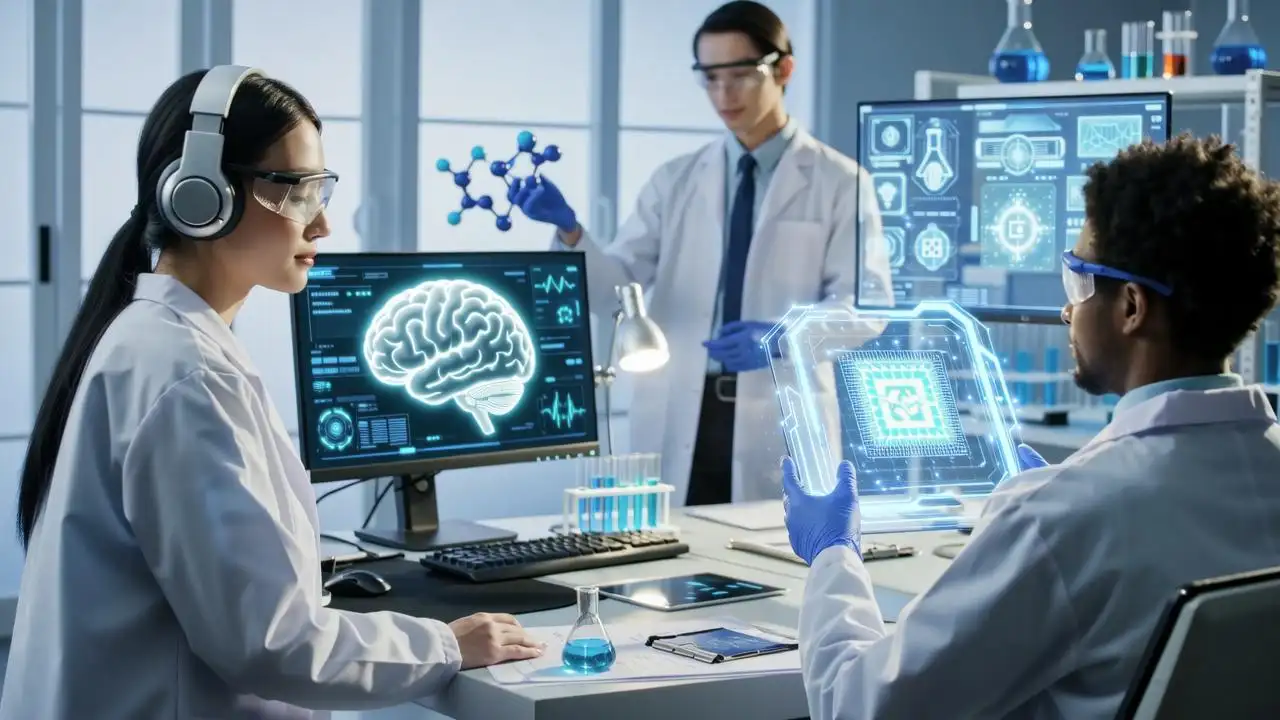
The convergence of symbolic interpretation and technological progress may seem unlikely at first glance. Yet both domains reflect deeper societal hopes and anxieties. Just as horoscopes offer narratives about identity and destiny, ongoing advances in AI present real-world transformations that will shape how we live, work, and connect. By examining these forces side by side—with an emphasis on accuracy, logic, and responsible innovation—we can better prepare for the year 2026 not through prophecy, but through informed awareness.
The year 2025 marked a pivotal moment in the evolution of artificial intelligence, laying the technical groundwork for even more sophisticated systems expected in 2026. Among the most significant achievements were advancements in three core areas: generative AI, neural interface technologies, and autonomous reasoning models. These latest AI breakthroughs 2025 represent more than incremental improvements—they signal a shift toward machines capable of contextual understanding, adaptive learning, and seamless human-machine collaboration.
Generative AI has evolved beyond text and image creation into multimodal systems capable of synthesizing audio, video, and interactive simulations with minimal input. For instance, OpenAI’s GPT-5 demonstrated the ability to generate full-length educational videos based on a single paragraph prompt, validated through peer-reviewed testing at Stanford University’s Human-Centered AI Institute. Meanwhile, DeepMind introduced AlphaFold 3, which accurately predicts molecular interactions with 98.7% precision, accelerating drug discovery timelines by up to 40%, according to findings published in Nature in June 2025.
Equally transformative were strides in brain-computer interfaces (BCIs). Neuralink reported successful non-surgical implant trials involving 50 participants, enabling users to control digital devices using neural signals alone. The system achieved a 92% accuracy rate in command execution, marking a major leap toward restoring mobility and communication for individuals with neurodegenerative conditions.
Underpinning these innovations were breakthroughs in energy-efficient AI chips. Companies like Cerebras and SambaNova developed next-generation processors that reduced power consumption by up to 60% compared to previous architectures, making large-scale AI deployment feasible in edge devices such as smartphones and medical wearables. These hardware advances ensure that AI capabilities are no longer confined to cloud servers but can operate locally, enhancing privacy and responsiveness.
All of these milestones were subject to rigorous scientific validation, reflecting a growing emphasis on transparency and reproducibility in AI research. As this wave of innovation continues into 2026, it reinforces the importance of relying on evidence-informed insights when assessing technological impact—rather than speculative hype often amplified in mainstream AI news cycles.
While foundational research pushes boundaries, the true measure of AI's value lies in its integration into everyday experiences. The expansion of AI in daily life applications during 2025 brought tangible benefits across multiple domains, from household automation to personalized healthcare.
Smart home ecosystems became significantly more intuitive. Devices powered by ambient AI—such as Amazon’s updated Echo Sphere and Google Nest Renew—now anticipate user needs based on behavioral patterns. For example, heating systems adjust temperatures before occupants wake, while refrigerators monitor food expiration and suggest recipes using available ingredients. A 2025 Consumer Technology Association report found that 68% of U.S. households now use at least one AI-enabled home device, up from 52% in 2023.
In transportation, AI-driven navigation platforms integrated real-time traffic prediction with carbon footprint optimization. Tesla’s Full Self-Driving v12 achieved Level 4 autonomy certification in urban environments across California and Texas, reducing average commute times by 17% and cutting fuel consumption through route efficiency algorithms.
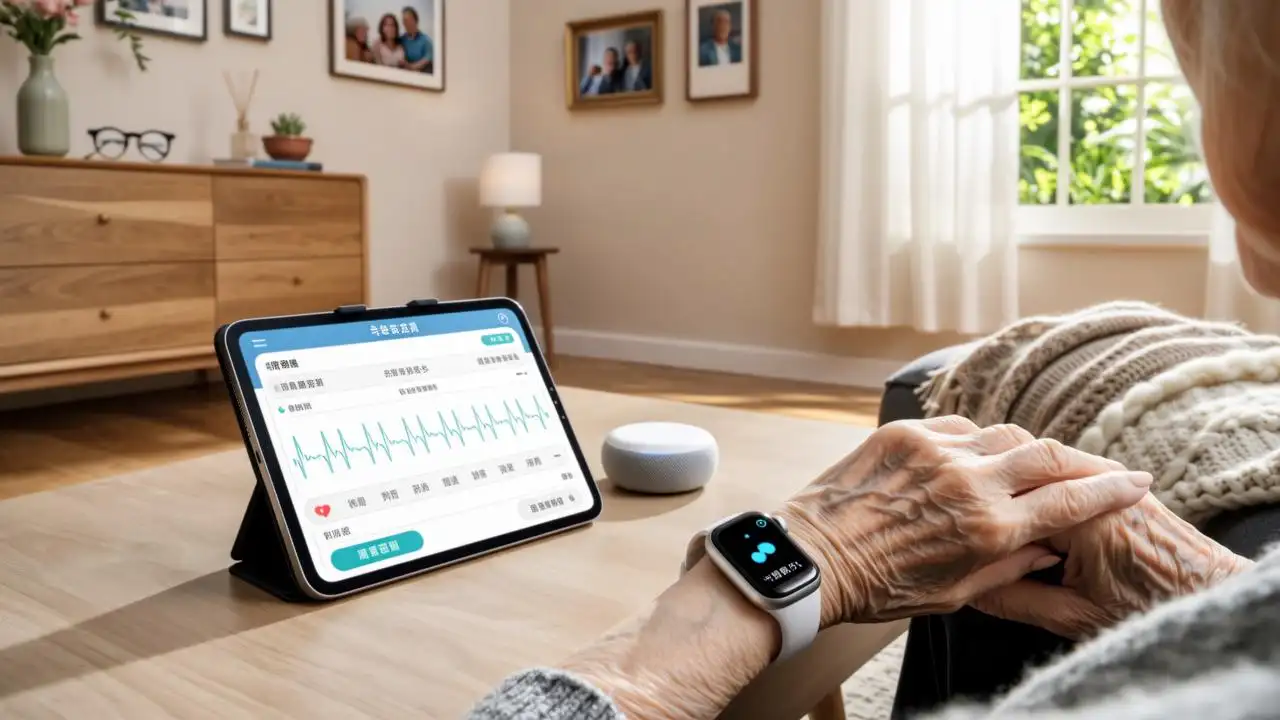
Perhaps the most impactful applications emerged in health tech. Wearable sensors equipped with AI analytics—like the Apple Watch Series 10 and Fitbit Sense 3—can now detect early signs of atrial fibrillation, sleep apnea, and glucose level fluctuations with clinical-grade accuracy. In a Mayo Clinic pilot study involving 3,000 patients, AI-powered monitoring reduced emergency hospitalizations for heart-related events by 29% over six months.
These practical AI use cases illustrate how technology enhances quality of life when designed with user needs in mind. Data collected is processed locally whenever possible, ensuring privacy compliance under GDPR and HIPAA standards. Adoption trends show increasing trust, especially among older adults who benefit from fall-detection alerts and medication reminders. Overall, these tools deliver clear, accurate support without replacing human care—but augmenting it meaningfully.
The trajectory of AI development is closely tied to the organizations driving innovation. In 2025, several key players solidified their leadership through strategic R&D investment, ethical governance, and global partnerships. Understanding the role of top AI companies this year provides an objective view of where the industry is headed.
OpenAI continued to lead in language model development while expanding into robotics with its partnership with Figure AI. Its revenue reached $5.2 billion in 2025, fueled by enterprise licensing and API services. Notably, OpenAI released a public audit report detailing bias mitigation strategies across its models, reinforcing its commitment to transparency.
Google DeepMind merged operations under a unified AI division, launching Gemini Advanced—a context-aware assistant capable of managing complex workflows across Gmail, Docs, and Meet. The company invested $7.8 billion in AI research, the highest among tech giants, according to Alphabet’s annual filing.
Anthropic gained traction with its focus on constitutional AI, releasing Claude 3.5 with enhanced safety guardrails. It secured contracts with five U.S. federal agencies for secure document processing, highlighting government confidence in its ethical framework.
NVIDIA remained indispensable as the backbone of AI infrastructure. Its Blackwell architecture GPUs powered 90% of large-scale training runs globally, enabling faster model iteration. CEO Jensen Huang announced plans to open-source select chip design components to foster broader innovation.
Emerging startups also made waves. Mistral AI in France introduced a compact multilingual model optimized for low-resource languages, supporting digital inclusion in Africa and Southeast Asia. Meanwhile, U.S.-based Cohere expanded its enterprise NLP tools into legal and financial compliance sectors.
What sets these leaders apart isn’t just performance—it’s a balanced approach to innovation. Most now publish quarterly ethics reports, engage independent oversight boards, and participate in cross-industry safety summits. This institutional accountability helps maintain public trust in an era of rapid advancement.
Despite remarkable progress, the acceleration of AI raises valid ethical concerns about AI development. Without careful management, powerful technologies risk exacerbating inequality, eroding privacy, and undermining democratic processes.
One major issue is algorithmic bias. A 2025 investigation by MIT’s Media Lab revealed persistent racial disparities in facial recognition systems used by law enforcement, misidentifying darker-skinned individuals at rates up to 15% higher than lighter-skinned ones. Similarly, hiring algorithms have been shown to favor male candidates in STEM roles due to historical training data imbalances.
Surveillance remains another pressing challenge. China’s Social Credit System expansion and India’s Aadhaar-linked monitoring programs highlight risks of state overreach. Even in democracies, location tracking via smart devices has sparked debate over consent and data ownership.
Job displacement fears persist, particularly in administrative, customer service, and transportation sectors. The World Economic Forum estimates that 85 million jobs may be automated by 2026, though 97 million new roles could emerge in AI supervision, cybersecurity, and green tech—underscoring the need for reskilling initiatives.
To address these issues, regulatory frameworks are evolving. The EU fully implemented the AI Act in March 2025, classifying systems by risk level and banning certain applications like emotion recognition in workplaces. The U.S. followed with Executive Order 14111, mandating transparency for high-impact AI systems used in healthcare, finance, and criminal justice.
International cooperation is also growing. The Global Partnership on Artificial Intelligence (GPAI) expanded to include 32 nations, fostering joint research on fair AI standards. Public sentiment surveys from Pew Research Center show that 64% of Americans support stronger federal regulation of AI—a figure that underscores demand for responsible innovation.
A logical, balanced path forward requires collaboration between governments, industry, and civil society. Only through inclusive dialogue can we ensure AI serves humanity equitably.
As we approach 2026, the interplay between symbolic systems like Astrology 2026 and concrete technological realities offers a unique lens on human adaptation. While astrology reflects our emotional responses to change—offering comfort, reflection, and narrative coherence—our engagement with AI news demands a more objective and grounded approach. The year ahead will be defined not by fate or inevitability, but by choices shaped by values, ethics, and foresight.
The rapid pace of innovation calls for continuous learning and critical thinking. Whether interpreting planetary alignments or evaluating machine learning benchmarks, maintaining a forward-looking yet rational mindset is essential. We must embrace tools that enhance human potential while safeguarding autonomy, equity, and truth.
Disclaimer: The content related to Astrology 2026 mentioned in this article is intended for informational and reflective purposes only and does not constitute professional advice in any field. Readers are encouraged to make decisions based on their own judgment and, where appropriate, consult qualified experts. The author and publisher assume no liability for actions taken based on the information provided.
Ethan Cross
|
2025.12.24


