

 Feed back
 Privacy Policy
The Cold Moon will illuminate the night sky on December 15, 2026, marking the final full moon of the year. According to data from the U.S. Naval Observatory, this lunar event will reach peak illumination at 09:08 UTC, appearing in the constellation Gemini while opposing the Sun in Sagittarius. As one of the most symbolically rich lunations of the year, the Cold Moon full moon astrology context offers a powerful moment for reflection, release, and preparation for the coming astrological cycle. Occurring just days before the winter solstice in the Northern Hemisphere, this full moon serves as both an emotional culmination and a spiritual threshold.

In both modern astrology and ancient spiritual traditions, the December full moon holds profound significance. Its timing aligns with seasonal transitions, deep introspection, and collective energetic shifts. In 2026, this lunation takes on added importance due to its interaction with key planetary movements—including a nearing conjunction between Jupiter and Neptune in late Pisces, which amplifies themes of intuition, idealism, and spiritual awakening. These celestial dynamics place the Cold Moon within a broader framework of Astrology 2026, where personal transformation is supported by cosmic alignment.
This article explores the meaning of Cold Moon in astrology, examines its December full moon spiritual use, provides practical guidance on Cold Moon rituals and meditation, and delves into the historical significance of Cold Moon across global cultures. By integrating astronomical facts with symbolic insight, we aim to offer a comprehensive understanding that honors both scientific precision and metaphysical depth.
Astrologically, the December full moon typically occurs when the Moon is in either Cancer or Capricorn, depending on the year. However, in 2026, the full moon falls in Gemini, forming a dynamic air-sign opposition to the Sun in Sagittarius. This configuration emphasizes communication, mental clarity, and the pursuit of truth. Unlike the more emotionally charged Cancer-Capricorn axis seen in other years, the Gemini-Sagittarius polarity invites intellectual exploration and the synthesis of knowledge.
The meaning of Cold Moon in astrology in 2026 centers around information exchange, curiosity, and bridging gaps—between people, ideas, and inner beliefs. With Mercury, ruler of Gemini, also in early Sagittarius during this period, there’s a strong push toward honest dialogue and philosophical inquiry. This makes the lunation particularly potent for resolving misunderstandings, completing unfinished conversations, and gaining perspective on long-standing questions.
Planetary aspects further shape the energy of the 2026 Cold Moon. A trine from the full moon to Mars in Libra supports diplomatic action and balanced decision-making. Meanwhile, a square from Venus in Virgo to Chiron in Aries may bring up wounds related to self-worth or relationships, urging gentle healing rather than confrontation. Additionally, the approaching sextile between Jupiter and Neptune (exact in early 2027) begins to unfold here, lending a subtle undercurrent of inspiration and expanded awareness.
Energetically, this lunation highlights karmic lessons tied to how we communicate our truths and listen to others. It encourages releasing outdated narratives and embracing mental flexibility. The cold moon full moon astrology narrative of 2026 thus becomes less about emotional tides and more about cognitive liberation—freeing the mind from dogma, misinformation, or self-imposed limitations.
Spiritually, the December full moon spiritual use revolves around closure, gratitude, and preparation for renewal. As the last full moon before the winter solstice, it carries a unique liminal quality—a pause between endings and beginnings. Many spiritual practitioners view this time as ideal for reviewing the past year, acknowledging growth, and honoring what must be released.
Themes of introspection, closure, and gratitude are central during this lunation. Journaling exercises focused on three questions—"What have I learned this year?", "What am I letting go of?", and "What am I grateful for?"—can help crystallize insights. The light of the full moon is believed to amplify inner vision, making it an optimal time for gaining clarity on subconscious patterns.
The connection between the Cold Moon and the approaching solstice energy is significant. While the solstice marks the return of the light in the Northern Hemisphere, the Cold Moon acts as a reflective gateway. It allows individuals to confront shadows before welcoming new beginnings. In many Pagan and neo-shamanic traditions, this period is known as a “dark tide” phase—where stillness precedes rebirth.
From a broader cyclical perspective, the Cold Moon also signals spiritual preparation for the new astrological year ahead. Though the calendar year ends in December, many esoteric systems recognize the spring equinox or lunar cycles as markers of personal renewal. Observing the Cold Moon helps attune one’s rhythm to natural cycles, fostering resilience and intentionality in the months to come.
Engaging in intentional practices enhances the December full moon spiritual use and deepens one’s connection to lunar energy. Below is a step-by-step guide to a Cold Moon meditation for release and clarity, suitable for both beginners and experienced practitioners.
For those seeking active engagement, rituals for setting intentions under the full moon light can include writing goals on biodegradable paper and placing them under a crystal cluster overnight. Crystals such as selenite, clear quartz, or labradorite are especially effective during this lunation for enhancing mental clarity and protection.
Combining crystals, candles, and journaling creates a multi-sensory experience that strengthens spiritual connection. For instance, placing a piece of amethyst nearby may support emotional balance, while using blue or silver candles aligns with water and air elements associated with intuition and intellect.
The term “Cold Moon” originates primarily from the Algonquin tribes of North America, who named each full moon based on seasonal conditions. The historical significance of Cold Moon lies in its reflection of the harsh winter months, when temperatures drop significantly and survival depends on stored resources. According to records preserved by the Farmer’s Almanac, indigenous communities used this moon as a signal to conserve food, strengthen shelters, and engage in communal storytelling.
In contrast, European traditions often referred to the December full moon as the “Moon Before Yule,” linking it directly to pre-Christian midwinter festivals later absorbed into Christmas customs. In Anglo-Saxon England, this lunation was associated with the festival of Modranicht ("Night of the Mothers"), honoring female ancestors and household deities.
Asian cultures observed the December full moon differently. In traditional Chinese lunisolar calendars, this period fell within the 11th month, a time for ancestral veneration and family reunions. Meanwhile, in Japan, Buddhist temples sometimes held moon-viewing ceremonies (*tsukimi*) even in winter, emphasizing impermanence and mindfulness.
Across these societies, the Cold Moon served practical agricultural functions—marking the end of planting cycles and the need for animal sheltering—but also held ceremonial weight. Seasonal rituals often included offerings, fasting, or divination practices aimed at ensuring prosperity in the coming year.
As the final full moon of 2026, the Cold Moon offers a pivotal opportunity to reflect on personal growth through the lens of lunar cycles. Whether viewed through the precision of Astrology 2026 or the symbolism of spiritual tradition, this lunation invites us to assess our journey, release stagnant energies, and prepare for future transformations.
With major planetary shifts on the horizon—including the eventual conjunction of Jupiter and Neptune in 2027—the Cold Moon acts as a preparatory threshold. Those who take time to observe, meditate, and honor natural rhythms position themselves to move forward with greater clarity and alignment.
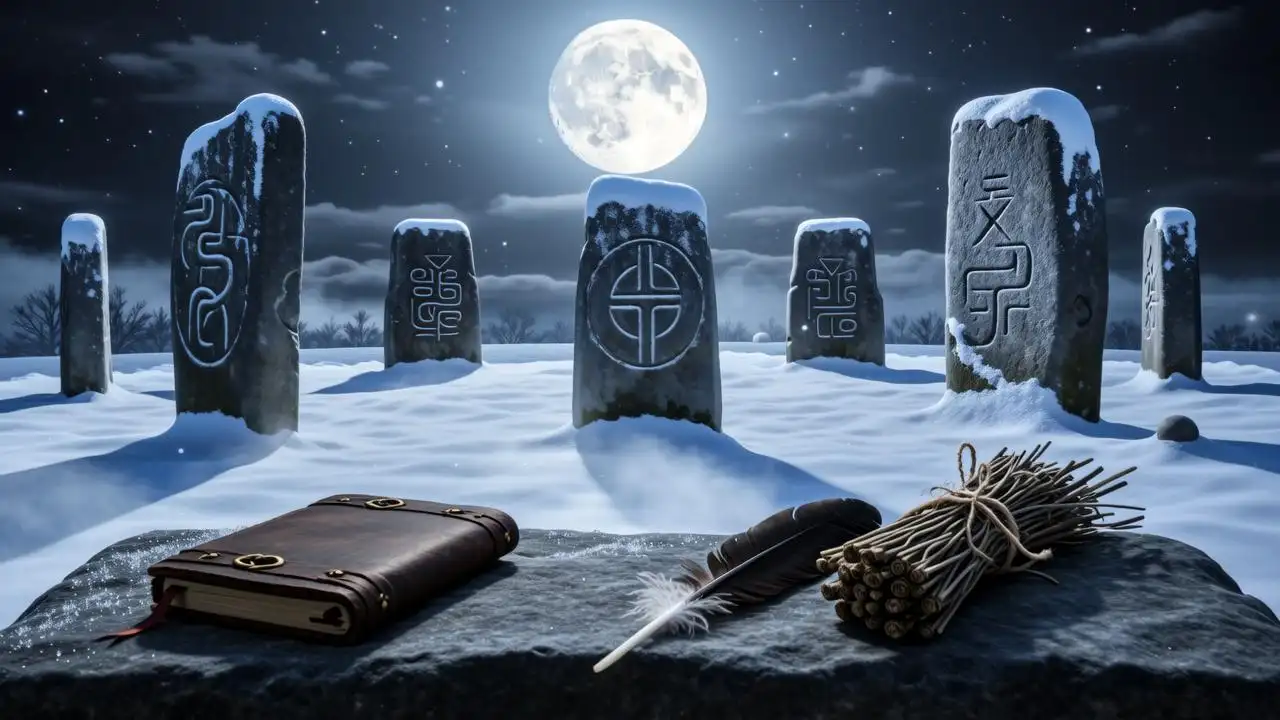
By understanding the spiritual use of this moon—not only as a celestial event but as a mirror for inner work—individuals can harness its energy to close chapters gracefully and open new ones with intention. From ancient cultural observances to modern ritual practice, the enduring presence of the Cold Moon reminds us of humanity’s timeless connection to the cosmos.
【Disclaimer】The content related to Astrology 2026 and other topics discussed in this article is provided for informational and reflective purposes only. It does not constitute professional advice in psychology, medicine, finance, or any regulated field. Readers are encouraged to consult qualified experts before making decisions based on the information presented. The author and publisher disclaim responsibility for any actions taken as a result of reading this material.
Elaine Thompson
|
2025.12.24


